

The biggest decision when buying a golf cart is the drivetrain: electric or petrol. Most Australian buyers choose electric — but petrol still has its place. Here’s an honest comparison to help you pick the right one for how and where you’ll use it.
Quick comparison
| Electric | Petrol | |
|---|---|---|
| Running cost | Very low (charging) | Higher (fuel) |
| Maintenance | Low — few moving parts | Higher — engine servicing |
| Noise | Near silent | Loud engine |
| Range/refuel | 40–80 km, recharge 3–8 hrs | Long range, refuel in minutes |
| Power under load | Strong, instant torque | Strong on hills & heavy loads |
| Emissions | Zero | Petrol fumes |
Why most buyers choose electric
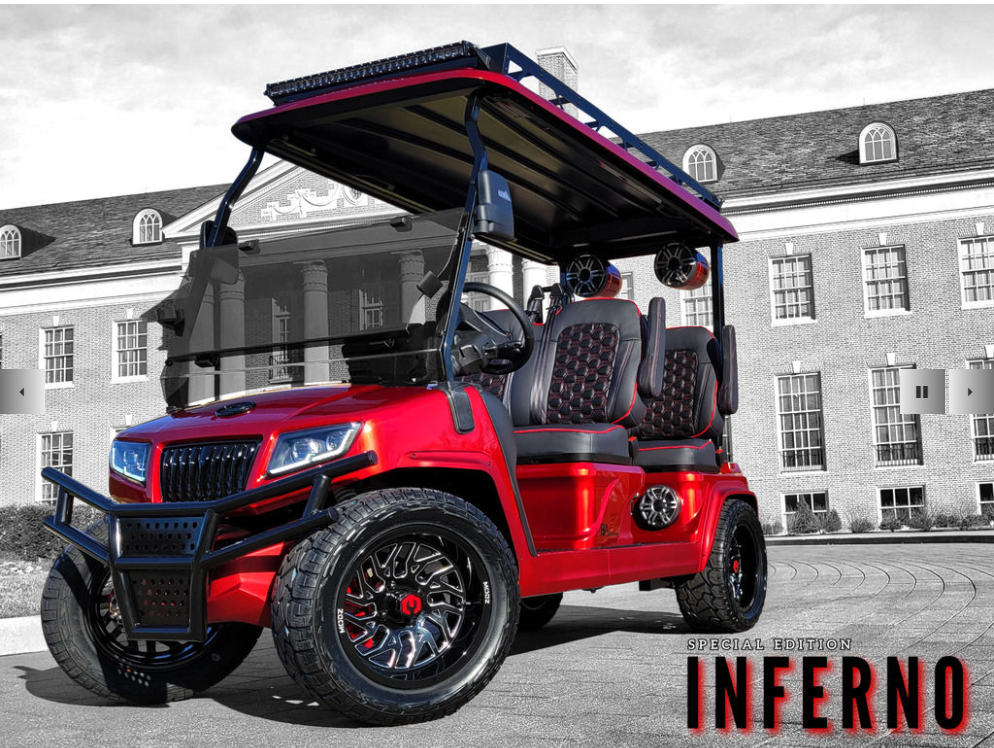
Electric carts are quiet, clean and cheap to run. There’s no engine to service, no fuel to store, and instant torque makes them smooth to drive. With a lithium battery you get longer range, faster charging and a pack that lasts 1,500+ cycles. For clubs, resorts, homes and most acreage, electric is the easy choice — see electric golf carts.
When petrol makes sense
Petrol still wins in a few situations: very hilly or large acreage, constant heavy loads or towing, and remote properties where reliable charging is hard. If you’re running a cart hard all day and can’t always plug in, petrol’s quick refuelling and grunt are genuinely useful.
What about running costs?
Electric wins clearly on cost of ownership. Charging is cents compared with dollars of fuel, and the maintenance bill is far lower. We put real numbers to it in how much it costs to run an electric golf cart. For the upfront price side, see our golf cart price guide.
Our recommendation
Choose electric if you want low running costs, low maintenance and a quiet ride — that’s most people. Choose petrol if you need maximum power on hilly, heavy or remote jobs with limited charging. Still deciding? Tell us about your property and use and we’ll recommend the right drivetrain, or browse the full range.
5-year cost of ownership
Upfront price is only half the picture. Over five years the running costs diverge sharply:
| Electric | Petrol | |
|---|---|---|
| “Fuel” / charging | ~$50–$250/yr (electricity) | Ongoing petrol bills |
| Servicing | Minimal (no engine) | Oil, filters, tune-ups |
| Battery / engine | Battery replacement over time | Engine wear, exhaust |
| Noise & emissions | Near-silent, zero local emissions | Louder, exhaust fumes |
For most buyers, electric wins clearly over five years. See the full breakdown in our running-cost guide.
Which suits your property?
- Homes, clubs, resorts, villages, flat acreage — electric, every time. Quiet, clean, cheap to run and easy to charge overnight.
- Large, hilly or remote properties with heavy loads — petrol earns its place: no charging downtime and strong torque for tough terrain. See golf carts for farms & acreage.
Don’t forget range and charging
Range anxiety rarely bites in practice — most owners recharge overnight and never run low. Lithium carts go furthest and recharge fastest; the detail is in our range guide and lithium vs lead-acid comparison. Ready to choose? Browse the electric range or tell us your terrain.
Maintenance: what each one actually needs
Maintenance is where the two drivetrains really diverge, and it’s worth understanding before you buy. A petrol cart is essentially a small engine on wheels: it needs oil changes, filters, spark plugs, the occasional tune-up and exhaust attention, plus fuel handling and storage. None of it is hard, but it’s regular, and it adds up in both time and money over the years. If you’re comfortable with basic engine servicing — or you’re on a remote property where charging is impractical — that trade-off can be worth it for petrol’s quick refuelling and strong pulling power.
An electric cart has far fewer moving parts, so servicing is minimal — mainly looking after the battery, tyres and brakes. There’s no oil, no exhaust and no fuel system to worry about, which is why running costs stay so low. The main long-term item is the battery, and even that is easy to manage with good habits: charge after use, keep terminals clean, and top up water on lead-acid packs. Our maintenance checklist and charging guide cover the whole routine, which for most owners amounts to a few minutes a week and a basic annual check.
Frequently asked questions
Are electric or petrol golf carts better?
For most buyers electric is better — quieter, cheaper to run and lower maintenance. Petrol suits heavy loads, hilly acreage and remote areas where charging is difficult.
Are electric golf carts cheaper to run?
Yes. Charging costs a fraction of petrol, and with far fewer moving parts, electric carts need less servicing over their life.
How far can an electric golf cart go?
Depending on the battery, typically 40–80 km on a charge. Lithium models reach the upper end and recharge in 3–4 hours.